

Grid extension, mini-grids and individual solar-plus-battery systems each fit different places. How the EnergiKu range maps onto the last two.
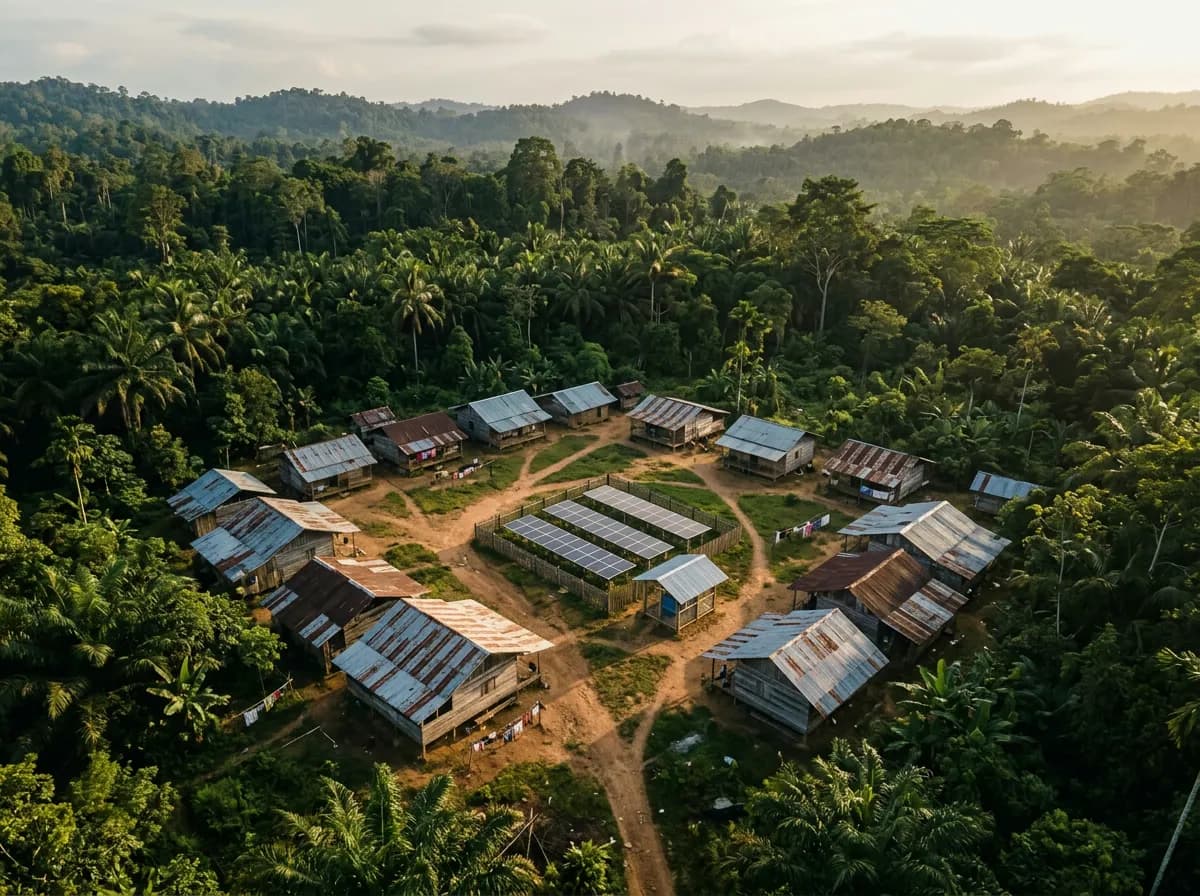
Indonesia’s national strategy recognizes three ways to bring electricity to communities: extending the grid, building mini-grids, and providing individual solar-plus-battery systems. Where grid extension is not practical, the choice between the other two depends largely on how a community is laid out.
Where households are scattered far apart, an individual system per home or facility avoids long connections between them. The EnergiKu KDBB Series is designed for this: battery-based micro energy storage for scattered households, small health posts and community facilities, available in 900 VA and 1,300 VA system ratings with a 2,560 Wh LiFePO4 battery.
Where 10 to 20 households sit close together, one central installation can serve them all. The EnergiKu MiniGrid, with a system capacity range of 25 to 50 kWh, reduces duplicated equipment per customer, lowers total cost of ownership relative to multiple individual systems, and gives maintenance teams a single place to work.
Every site is different, which is why each project starts with a site assessment and system design before any equipment is specified.
EnergiKu
Not sure which approach fits your area? A site assessment is the first step.